MOM Cultural Center (MOMkult) – The Venue
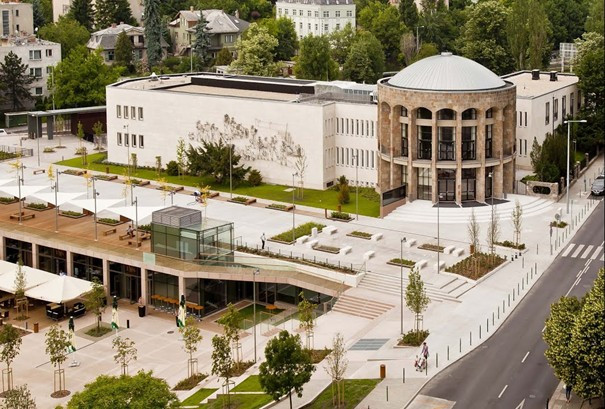
The MOM Cultural Center is one of Budapest’s most prestigious community and event spaces, located in the lush green belt of the 12th district. The building, designed by Károly Dávid and opened in 1951, was originally established for the workers of the Hungarian Optical Works (MOM). This Bauhaus-style listed monument underwent a complete renovation in 2011, transforming it into a modern hub that blends historical elegance with state-of-the-art technology.
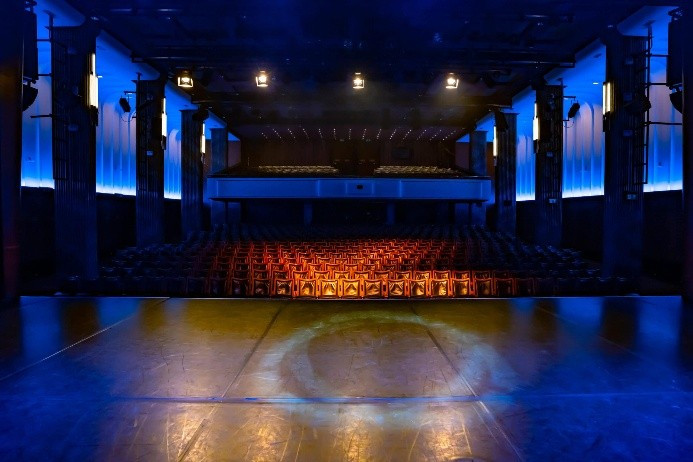
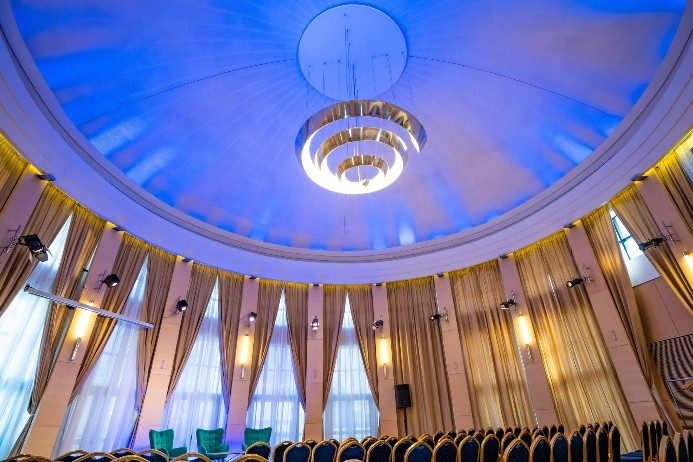
The center covers roughly 3,000 square meters and offers a diverse range of spaces. Its centerpiece is the multifunctional Theatre Hall (capable of hosting up to 600 people), complemented by a unique Dome Hall and several section rooms. Surrounded by the "Gesztenyés-kert" (Chestnut Garden), the venue provides a professional yet tranquil atmosphere for international conferences.
 |
 |
Who are the Halls Named After?
- Lőrinc Szabó Hall: Named after Lőrinc Szabó, one of Hungary’s most influential 20th-century lyric poets and literary translators. He was a master of modern psychological realism in poetry and translated numerous works by Shakespeare, Goethe, and Baudelaire into Hungarian, bridging the gap between European and Hungarian literature.
- Gizi Bajor Hall: Honors Gizi Bajor, the legendary prima donna of the Hungarian National Theatre. Known for her incredible versatility and emotional depth, she was the "queen of the stage" between the two World Wars. Her former villa in the district now serves as a dedicated museum for theater history.
- Mór Jókai Hall: Named after Mór Jókai, the "Great Hungarian Storyteller." He was a prolific 19th-century novelist and a key figure in the 1848 Revolution. His romantic epics and historical novels shaped the modern Hungarian literary language and remain beloved classics today.
- József Simándy Hall: Dedicated to József Simándy, Hungary's most famous heroic tenor. His name is inseparable from the role of "Bánk bán" in the national opera of the same name. His powerful voice and patriotic performances made him a true national icon in the world of classical music.
- Miklós Barabás Hall: Named after Miklós Barabás, the first Hungarian painter to make a living solely from his art. He was a master of portraiture and landscape painting in the 19th century, capturing the faces of the era’s greatest thinkers and politicians. He also lived and worked in this district (Hegyvidék).